Exactly Why Is Terracotta Tile Still an Admired Choosing in Interior and Exterior Designing?
In a world where building materials progress quickly and design trends come and go with excessive speed, some products manage to sustain via centuries. Terracotta tile is one of those rare survivors— a material as old as human being itself, yet as relevant in today's style and interior decoration as it was thousands of years back. Yet what offers terracotta tile such classic allure? Why do homeowners, designers, and architects still turn to it when looking for heat, personality, and durability in their areas?
Terracotta, derived from the Italian words terra (planet) and cotta (prepared), is a type of clay-based ceramic that has actually been baked or fired to set it right into a usable surface area. The outcome is an abundant, earthy product with cozy reddish-brown tones and a porous appearance. Utilized because classical times for every little thing from roof ceramic tiles and sculptures to floor coverings and wall surfaces, terracotta tile continues to hold a treasured area in both standard and modern layouts.
Among the reasons terracotta stays a preferred is its deeply organic quality. Unlike machine-polished materials that can feel cold or clinical, terracotta offers a sense of warmth and credibility. Its handcrafted character, with all-natural variants in color and appearance, provides each ceramic tile an one-of-a-kind identity. This originality brings a sense of spirit to a room, something that mass-produced materials commonly battle to reproduce. In homes, it shares a grounded, lived-in feeling that welcomes convenience and simplicity. It's not simply a surface— it's a tale embedded in every tile.
In architecture, terracotta tile has long been prized for its versatility. It is equally at home in rustic farmhouses as it is in streamlined modern interiors. Mediterranean villas, Spanish mission-style homes, and Tuscan estates have showcased terracotta for centuries, highlighting its capability to boost both sophistication and earthiness. Yet more just recently, terracotta has actually started to appear in minimal loft spaces, high-end medspas, and progressive dining establishments, where its raw, tactile nature contrasts beautifully with steel, glass, and sleek concrete. This versatility speaks to terracotta's peaceful power to go beyond aesthetic categories.
Functionally, terracotta ceramic tiles use a number of benefits that add to their proceeded usage. Their natural clay composition makes them resilient and long-lasting when properly preserved. They are specifically appropriate to cozy climates, where their thermal buildings permit them to remain amazing underfoot even in hot temperatures. Outdoors, they do well on outdoor patios, sidewalks, and garden paths, gradually establishing a patina that enhances their aesthetic richness over time. Inside, they can be used in cooking areas, shower rooms, living locations, and entryways, where their hardwearing nature takes on day-to-day website traffic while aging gracefully.
An additional vital function of terracotta tile is its breathability. Because it's normally permeable, it permits dampness to get away instead of coming to be caught below, which can help regulate moisture and minimize problems like mold and mildew in specific environments. While this porosity means that sealing is often advised— especially in kitchens and bathrooms where water exposure is high— it likewise adds to the floor tile's unique interaction with its environments. Over time, secured or unsealed, terracotta advances, getting depth and character with every passing away year.
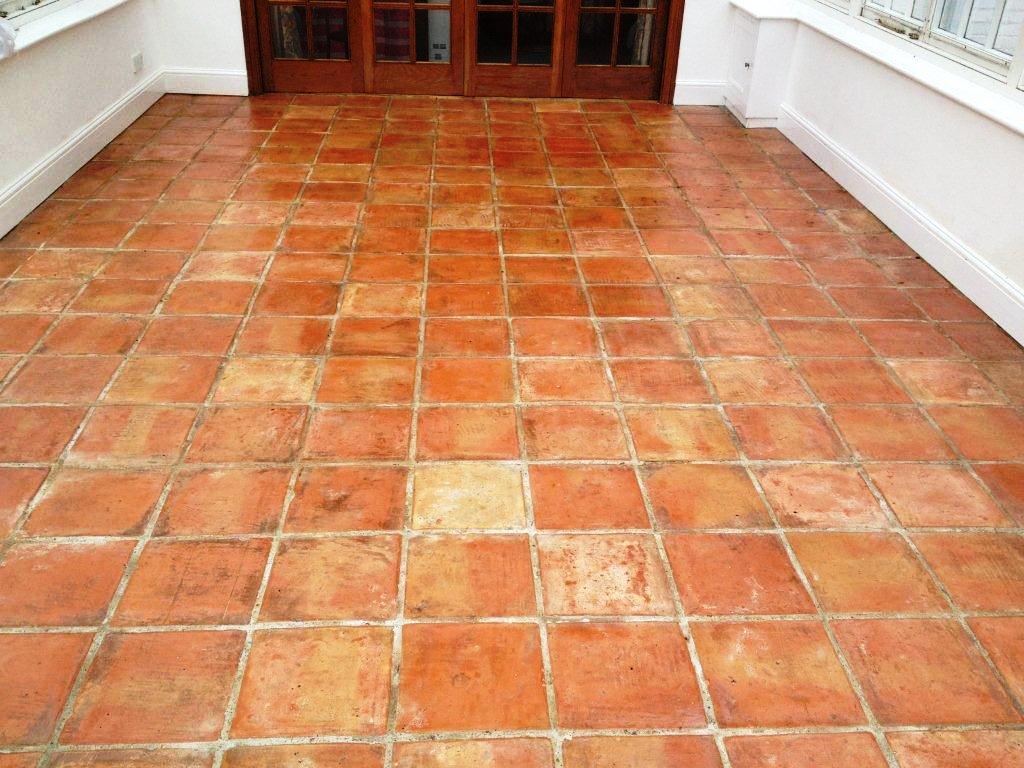 In regards to sustainability, terracotta has actually made renewed recognition as even more developers prioritize environmentally friendly products. It is made from plentiful all-natural clay and needs reasonably reduced energy to generate contrasted to synthetic alternatives. Artisans all over the world still produce terracotta ceramic tiles using standard techniques passed down via generations, usually with marginal influence on the atmosphere. Picking handcrafted terracotta supports not only ecological sustainability yet cultural preservation also— a vital consideration in the age of international homogenization.
Cosmetically, few products can rival terracotta's capability to evoke a local color. It quickly conjures images of sun-soaked courtyards in Andalusia, rustic villas in the hills of Umbria, and adobe homes in the American Southwest. There's a transportive high quality to it, a method of anchoring a space to background, nature, and society. In city setups, where glass and steel control the landscape, terracotta brings a touch of the countryside inside. It softens the lines, heats the palette, and welcomes a slower, much more intentional lifestyle.
This psychological vibration may be among terracotta's most powerful attributes. At a time when so much of modern-day layout chases perfection, terracotta welcomes flaw. The chips, scrapes, and subtle discolorations that appear gradually do not detract— they enhance. They note the passage of life within a room, resembling steps and parties, spills and sunrises. In a manner, terracotta floor tiles end up being a journal of the home, their surface tape-recording memories in refined, gorgeous methods.
Regardless of its several advantages, terracotta does require thoughtful care. shape suggests it can soak up spills and discolorations if left unsealed, and it may not be optimal for locations revealed to regular freeze-thaw cycles unless specially treated. But for those that appreciate a material that ages with self-respect and becomes much more stunning with time, these restrictions are small contrasted to the rewards.
Eventually, the enduring charm of terracotta tile hinges on its capacity to connect the built environment to the natural world. It is a product formed by the planet, changed by fire, and developed by human hands. It speaks with heritage, sustainability, charm, and energy at one time. In an age progressively specified by artificial convenience, terracotta offers a tip that sometimes, the most amazing points come from the most basic starts. Whether adorning the floorings of a centuries-old villa or beautifying the wall surfaces of a contemporary loft, terracotta tile continues to confirm that true style goes beyond time.